Decks, Patios & Seasonal Preparation
Guides covering the full cycle of outdoor living spaces in Canadian climates — from material selection and structural planning to end-of-season weatherproofing and spring readiness.
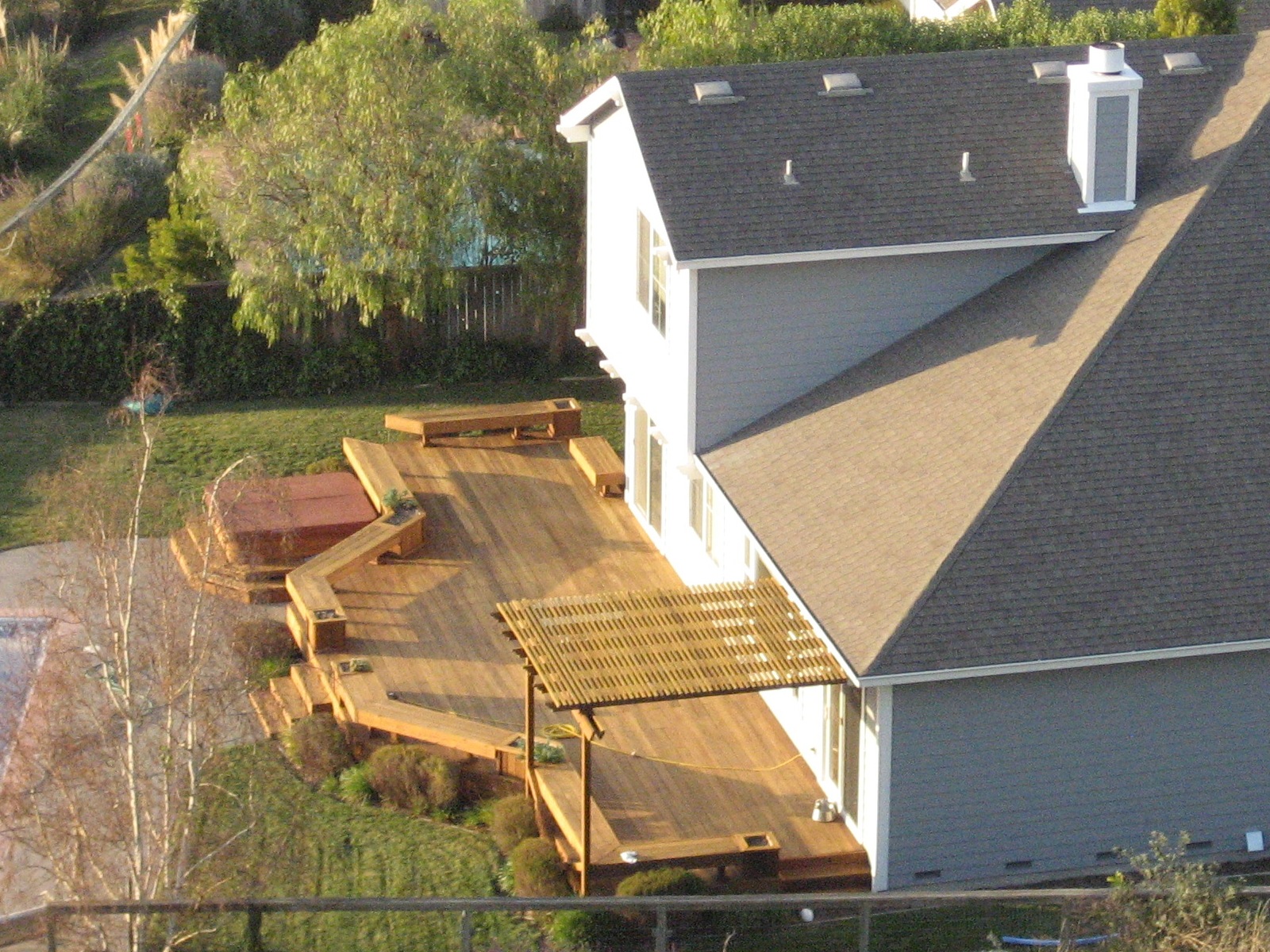
Building and Maintaining Outdoor Spaces
Three in-depth guides on the most common challenges Canadian homeowners face with outdoor living areas.
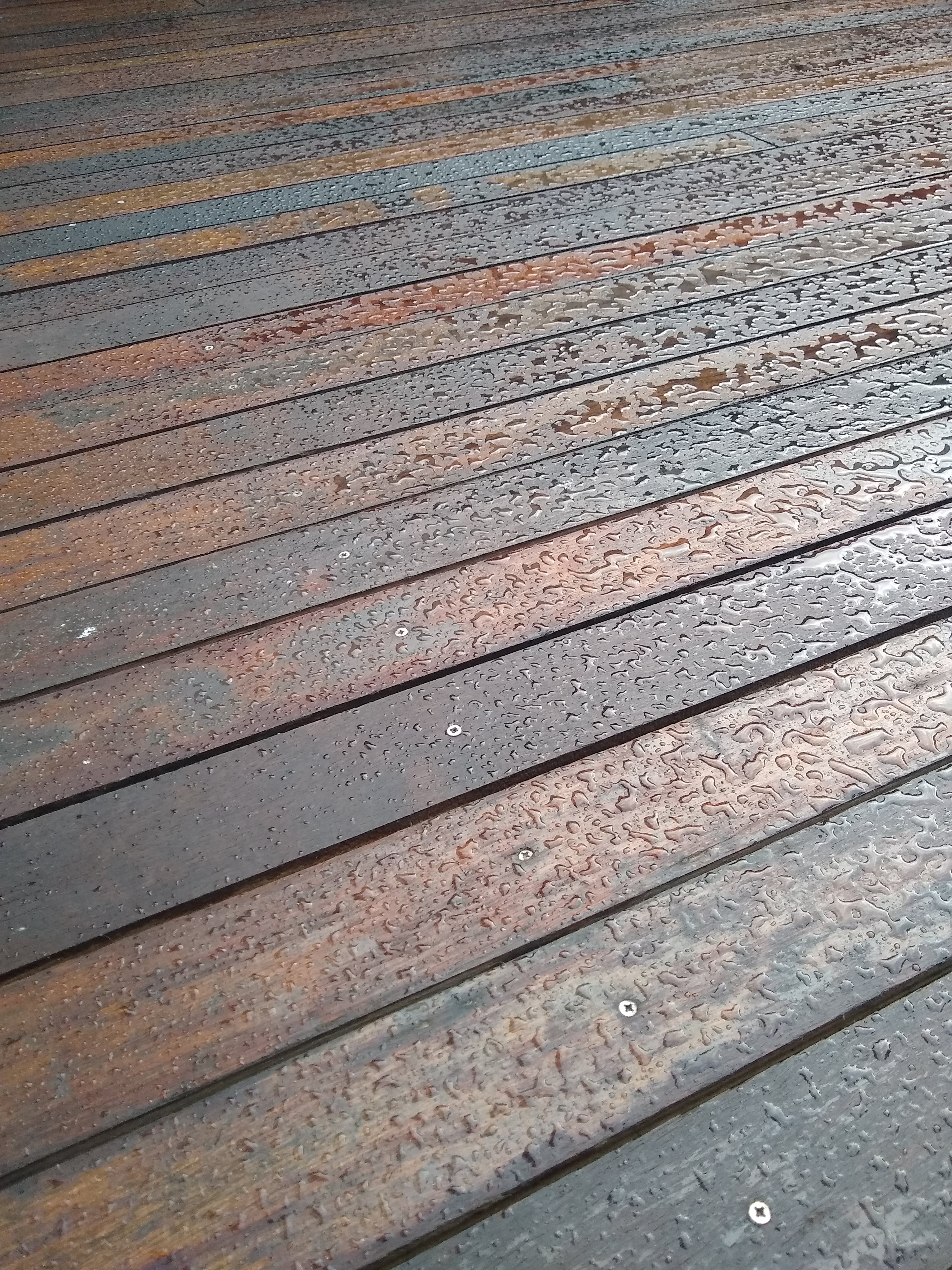
How to Build a Pressure-Treated Wood Deck in Canada
A step-by-step overview of planning, permitting, and constructing a ground-level or elevated wood deck suited for Canadian freeze-thaw conditions.
Read article
Seasonal Patio Maintenance Guide for Canadian Climates
A month-by-month maintenance schedule covering stone, concrete, and composite patio surfaces through the full Canadian seasonal cycle.
Read article
Weatherproofing Your Outdoor Living Space for Year-Round Use
Practical strategies for sealing, covering, and protecting decks, patios, and outdoor structures against Canadian winters and spring thaw.
Read articleKey Considerations for Canadian Outdoor Projects
-
01
Frost depth and footings
In most Canadian provinces, frost lines range from 1.2 m in southern Ontario to over 2.4 m in the Prairie regions. Deck footings must extend below the local frost depth to prevent heaving — confirm requirements with your local building department before breaking ground.
-
02
Pressure-treated lumber grades
For ground contact applications, Canadian building codes reference the CSA O80 standard for preservative-treated wood. ACQ (Alkaline Copper Quaternary) treated lumber rated for ground contact (UC4A or UC4B) is commonly specified for posts and ledger boards.
-
03
Snow load ratings
The National Building Code of Canada (NBC) requires that deck structures account for ground snow loads, which vary significantly by location. In areas like Quebec City or Halifax, design snow loads can exceed 3.0 kPa. Consult a structural engineer for elevated or covered deck structures.
-
04
Permitting requirements
Most municipalities require a building permit for decks over 60 cm (approximately 24 inches) above grade. Permit applications typically include a site plan, structural drawings, and setback confirmation. Processing times range from two to eight weeks depending on the municipality.
-
05
End-of-season timing
In most Canadian climate zones, outdoor furniture and cushions should be stored or covered before sustained overnight temperatures drop below 0°C. For most of southern Canada, this typically falls between mid-October and early November. Deck staining and sealing should be completed before this window closes.
Pergolas and Shade Structures
Shade structures extend the usable season of outdoor spaces and add structural definition to patios and decks.
 Pergolas
Choosing Between a Pergola and a Gazebo
Pergolas provide partial shade and define outdoor zones without fully enclosing them. Gazebos offer weather protection but typically require a building permit due to their enclosed structure. Material choices — cedar, pressure-treated pine, or aluminum — affect both longevity and maintenance requirements in Canadian climates.
 Landscaping
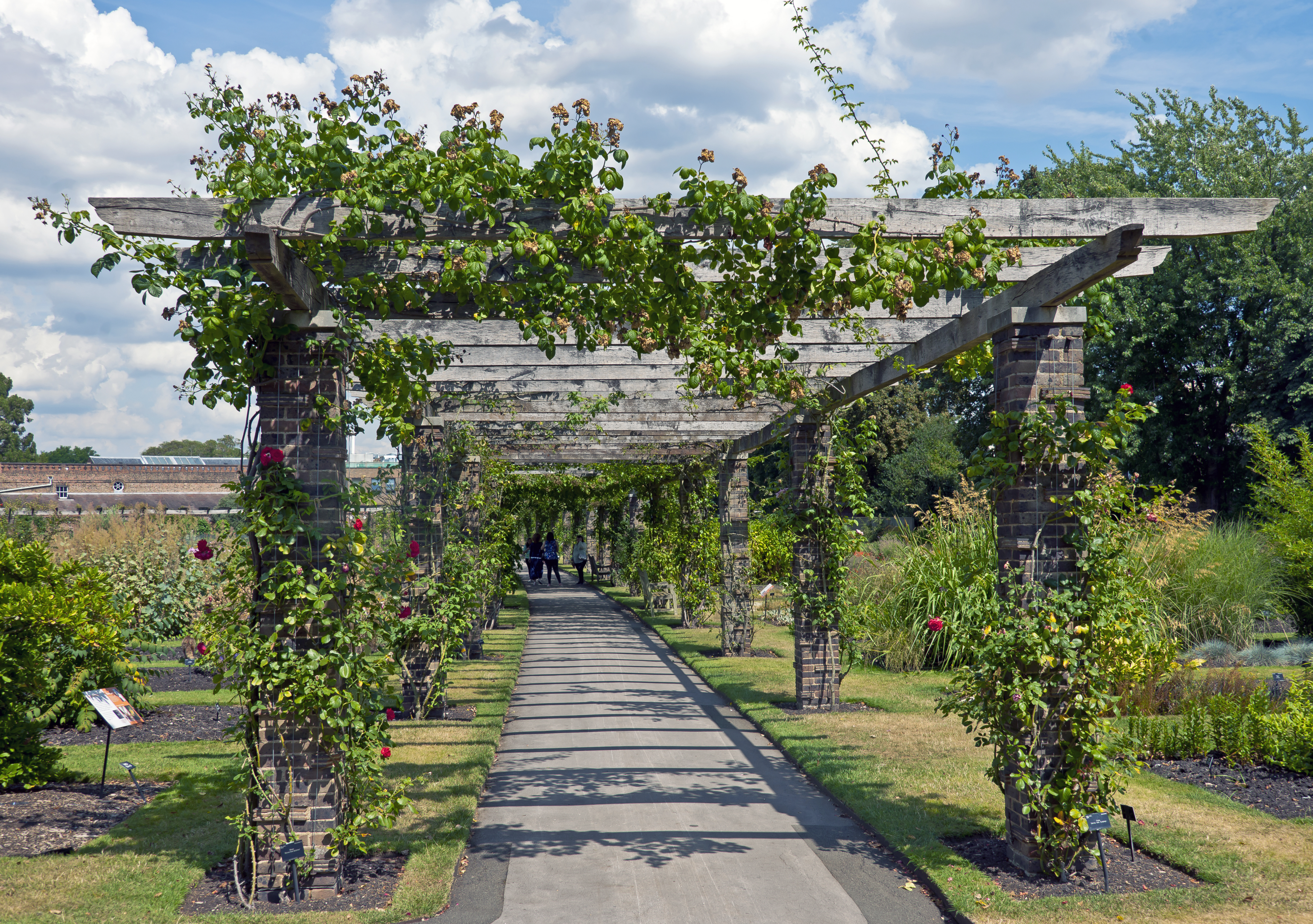
Integrating Planting into Deck and Patio Designs
Built-in planters, container gardening, and climbing plants on pergola structures add seasonal colour and visual softening to hard surfaces. In Canadian zones 5 and 6, perennial climbers such as Virginia Creeper and hardy roses establish reliably and require minimal intervention once established.