Understanding the Canadian Building Context
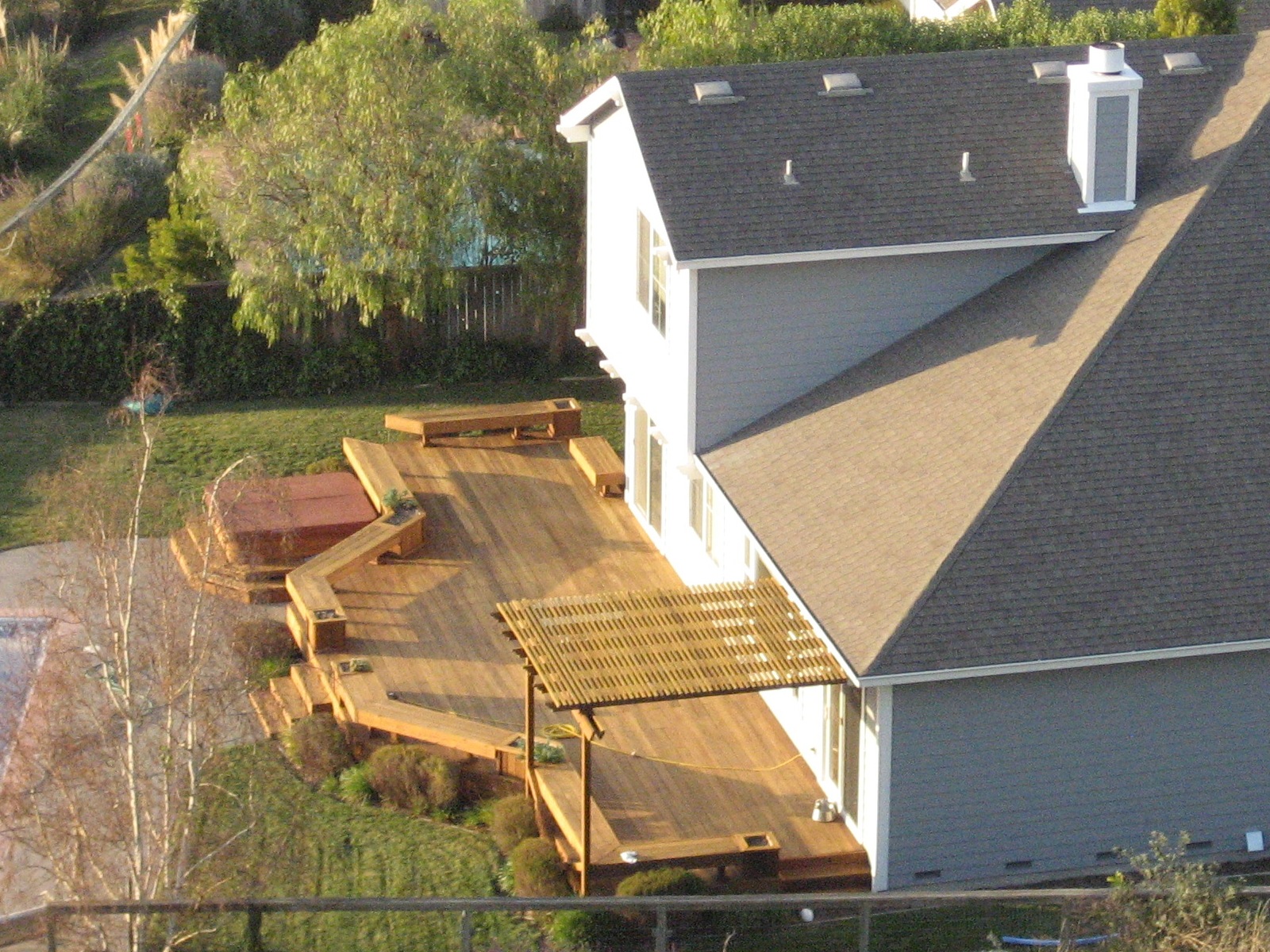
Deck construction in Canada is governed at the municipal level, but most jurisdictions adopt or reference the National Building Code of Canada (NBC) and its provincial variants. Before purchasing materials, confirm local requirements with your municipality's building department. Most require a permit for decks over 60 cm above finished grade, and the permit process typically involves a site plan, structural framing details, and confirmation of setbacks from property lines and structures.
The fundamental challenge in Canadian deck construction is the freeze-thaw cycle. Water that enters cracks in concrete footings, wood grain, or fastener holes expands on freezing, accelerating deterioration year after year. Material choices and construction details should address this from the start.
Material Selection
Pressure-Treated Lumber Standards
In Canada, preservative-treated lumber is governed by CSA O80, the national standard for wood preservation. The standard specifies treatment levels for different use categories:
- Above ground (UC3B): Suitable for decking boards, joists in covered structures, and railing components not in ground contact.
- Ground contact (UC4A): Required for posts embedded in soil or concrete and for ledger boards in contact with masonry or concrete foundations.
- Severe ground contact (UC4B): Specified for structural components in high-moisture environments or where soil contact is continuous.
Most lumber yards in Canada stock ACQ (Alkaline Copper Quaternary) or CA-C (Copper Azole) treated lumber. Both are effective alternatives to the older CCA (Chromated Copper Arsenate) treatments, which were phased out for residential use. Note that ACQ and CA-C treated lumber is more corrosive to standard galvanized fasteners — use hot-dipped galvanized or stainless steel hardware throughout.
Composite and Alternative Decking
Composite decking products, manufactured from wood fibre and recycled plastic, have expanded significantly in the Canadian market over the past decade. These products resist moisture absorption and require less annual maintenance than wood, though initial costs are higher. Many major manufacturers offer products tested to Canadian climate standards, including freeze-thaw cycling and UV resistance specific to northern latitudes.

Footing Design for Canadian Frost Conditions
Frost depth is the single most important site variable in Canadian deck construction. Footings placed above the frost line will heave with the annual freeze-thaw cycle, causing structural movement, fastener failure, and deck surface cracking. Provincial frost depth maps are available from Natural Resources Canada, but local building departments maintain jurisdiction-specific requirements that may be more conservative.
Reference: Natural Resources Canada publishes climate data including frost penetration depths through the National Climate Data and Information Archive. The Canadian Centre for Climate Services provides regional data accessible to homeowners and contractors.
In practice, most contractors in southern Ontario pour footings to a minimum depth of 1.2 m, while work in northern Ontario, Alberta, and Saskatchewan typically requires 1.8 m or deeper. Helical piers and adjustable post bases have become common alternatives to poured concrete footings, particularly for replacement deck projects where excavation is disruptive.
Framing and Structural Considerations
Ledger Board Attachment
When a deck attaches to a house, the ledger board transfers lateral and vertical loads to the existing structure. Flashing at the ledger-to-house connection is critical — water infiltration at this joint is among the most common sources of rot in attached decks. The standard approach uses a continuous piece of metal flashing behind the ledger, directing water outward, supplemented by through-bolts or lag screws at spacing specified by the structural design.
Joist Sizing and Span
Joist sizing depends on span, spacing, and species. The Span Book for Canadian Lumber, published by the Canadian Wood Council, provides span tables for commonly used species groups in Canada. For most residential decks using 38×184 mm (2×8 nominal) SPF (Spruce-Pine-Fir) joists at 400 mm on centre, maximum unsupported spans fall between 3.2 m and 3.8 m depending on grade. The Canadian Wood Council publishes updated span tables and design resources for residential construction.
Fastening and Hardware
The combination of treated lumber and outdoor exposure requires hardware rated for the treatment chemistry and moisture exposure. Key considerations:
- Joist hangers and post bases: Use products rated for ACQ or CA-C treated lumber — standard G90 galvanized coatings are not adequate.
- Decking fasteners: Stainless steel screws or manufacturer-approved composite fastening systems eliminate the staining that occurs when standard screws corrode adjacent to treated wood tannins.
- Railing post bolts: Through-bolting with 12.7 mm (½ inch) bolts and appropriate galvanic protection is standard for structural railing post attachment.
Decking Board Installation
Pressure-treated lumber arrives at the lumber yard with moisture content that varies by supplier and season. Boards installed wet will shrink as they dry — typically 2 to 4 mm per 140 mm board width — which affects spacing decisions. Most experienced deck builders install wet PT lumber with boards touching or with only a 3 mm gap, knowing that final spacing will open as the wood dries over the first summer. Boards installed kiln-dried should be spaced at approximately 4 to 6 mm to allow drainage and airflow.
Run boards with the bark side facing up where visible in end grain — this orientation tends to cup upward as the board dries, shedding water rather than holding it. End-cut all field cuts with a preservative end-cut solution, as the treatment does not penetrate fully into cut surfaces.
Finishing and Initial Maintenance
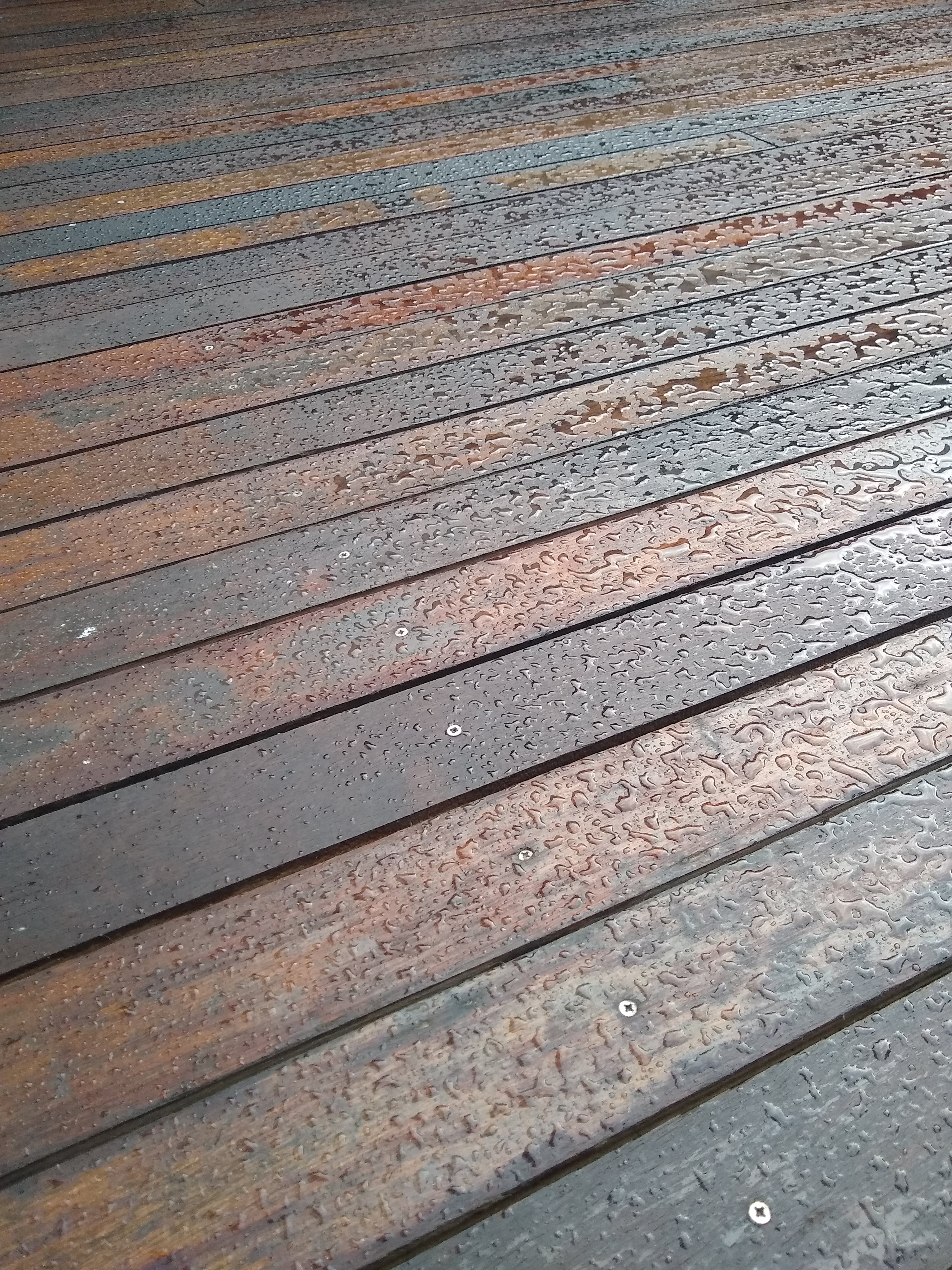
Newly installed pressure-treated lumber should be allowed to dry for a minimum of one full season before applying a penetrating stain or sealant. Applying finish to wet wood traps moisture and leads to premature peeling. After the first season, a penetrating oil-based stain with UV inhibitors and water repellent is a standard maintenance treatment, typically reapplied every two to three years depending on sun exposure and foot traffic.
Power washing at low pressure (under 1,000 psi) cleans wood surfaces before recoating without raising grain. Higher pressure settings damage wood fibres and accelerate weathering.
References: Canadian Wood Council — Span Book for Canadian Lumber; Canadian Centre for Climate Services — Regional frost depth data; National Building Code of Canada 2020 (National Research Council of Canada).