
Canadian Climate Zones and Their Implications
Canada's climate zones vary dramatically from coastal British Columbia — where mild, wet winters dominate — to the Prairie provinces, where extreme cold and low humidity require different approaches, to Atlantic Canada, where salt air corrosion adds a layer of complexity to material selection. Environment and Climate Change Canada's climate normals database provides historical temperature, precipitation, and wind data by location, which is useful for calibrating the level of weatherproofing appropriate for a specific site.
Resource: Environment and Climate Change Canada provides free access to Canadian climate normals by location through the Historical Climate Data portal. These records include freeze-thaw event frequency, snowfall depth, and extreme wind speed percentiles by station.
Wood Deck Weatherproofing
Surface Sealing and Staining
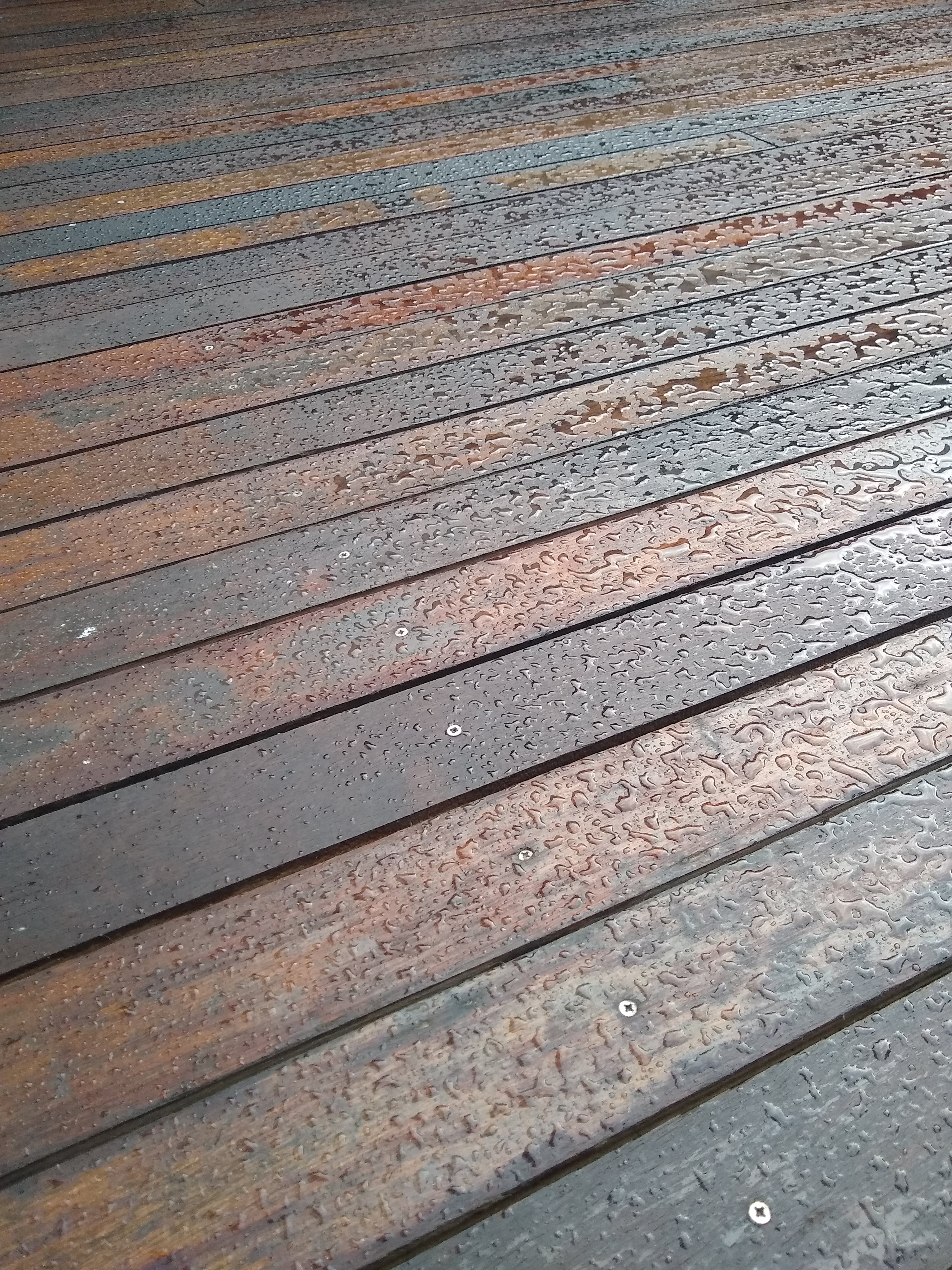
Bare pressure-treated lumber weathers rapidly under Canadian UV exposure — a deck installed without any finish will grey and show surface checking within a single outdoor season. The choice between clear sealers, semi-transparent stains, and solid-body stains involves trade-offs:
- Clear penetrating sealers: Repel water effectively but provide minimal UV protection. Wood will grey even when sealed. Require reapplication more frequently, typically annually.
- Semi-transparent penetrating stains: Provide UV-blocking pigment while allowing wood grain to show. More durable than clear sealers, typically lasting two to three years before recoating on horizontal surfaces.
- Solid-body stains: Maximum UV and moisture protection, completely covering grain. Longest interval between recoats but require more preparation work when recoating because they film-build on the surface.
Flashing and Drainage Details
Water that reaches deck framing members without being able to drain or evaporate is the primary cause of premature structural decay. Critical weatherproofing details for deck framing include:
- Cap all exposed post tops with post cap hardware or a routed chamfer that sheds water — flat post tops hold standing water and accelerate end-grain decay even in treated lumber.
- Use joist tape (a butyl rubber membrane tape) on the top surface of all joists before laying decking boards. This prevents water from sitting in the joint between decking and joists, where it causes decay in both members.
- Install blocking between joists to allow adequate airflow through the framing cavity, particularly on low-clearance decks where ground moisture can become trapped.
Pergola and Shade Structure Weatherproofing
Roof Panel Options
Open pergola structures provide partial weather protection as-built, but adding a roof panel system transitions them from shade structures to genuinely weather-protected spaces. Common options in the Canadian market include:
- Polycarbonate panels: Available in single-wall (thin, inexpensive, shorter-lived) and multi-wall versions. Twin-wall and triple-wall polycarbonate has good impact resistance and insulating value. UV-stabilized grades specific to outdoor use are necessary — standard polycarbonate yellows rapidly under UV exposure.
- Corrugated metal panels: Galvanized steel or aluminum corrugated roofing installed over pergola rafters creates a durable, low-maintenance rain shelter. Condensation on the underside can be an issue in humid conditions without venting.
- Retractable fabric awnings: Most residential-grade retractable awning fabrics are solution-dyed acrylic, which resists UV and mildew. They are not rated for snow load and should be retracted before forecast snowfall events.
Snow load consideration: Any fixed roof structure added to a pergola must be engineered to the local ground snow load. In much of central and eastern Canada, this requirement disqualifies lightweight polycarbonate systems without additional structural reinforcement of the supporting pergola. Consult a structural engineer or qualified contractor before adding any fixed roof to an existing pergola.
Heating and Extending the Outdoor Season
Outdoor Heaters
Propane and natural gas patio heaters extend comfortable outdoor use into shoulder seasons — typically mid-September through October in southern Canada, and into November in milder coastal areas. Infrared electric heaters mounted overhead are an alternative that avoids open flame and is increasingly used in covered patio and deck structures. Electrical installation for overhead heaters requires a qualified electrician and a dedicated circuit; this work requires a permit in most Canadian jurisdictions.
Enclosed Porch Considerations
Converting an open porch or deck into a three-season or four-season enclosed space involves building permit requirements in virtually all Canadian municipalities. The distinction matters for weatherproofing: a three-season enclosure typically uses screen or single-glazed panels without insulation or heating system connections, while a four-season space must meet residential thermal envelope standards under provincial building codes. The latter requires insulated walls, appropriate glazing, and a mechanical connection to the home's heating system — all regulated work.
Material-Specific Weatherproofing Timelines
A summary of annual weatherproofing tasks by material type, sequenced to align with Canadian seasonal conditions:
- Pressure-treated wood decks: Clean and inspect in May; apply stain or sealer in late August to September before temperatures drop below 10°C overnight.
- Composite decking: Clean with manufacturer-approved cleaner in spring; inspect fasteners and board ends for any moisture-related swelling. No sealing required.
- Concrete patios: Apply penetrating sealer in September every two to three years, or annually on surfaces showing scaling. Clean before applying.
- Interlocking pavers: Top up polymeric sand joints in early fall where erosion has occurred; apply paver sealer on an as-needed basis, typically every three to five years.
- Natural stone: Apply stone impregnator in September; select product specific to the stone type (limestone and marble require pH-neutral, non-acidic formulas).
- Pergola lumber: Inspect for checking, splitting, and fastener corrosion annually in spring; recoat with exterior penetrating oil as needed.
Monitoring Over Time
Weatherproofing is a maintenance cycle, not a one-time installation. The most effective approach is a brief annual inspection of all outdoor structures in spring, before the outdoor season begins. Catching and addressing small areas of surface checking, joint sand displacement, or sealer wear before they develop into structural issues is significantly less costly than deferred maintenance in Canadian climates, where each winter cycle compounds existing moisture infiltration damage.
References: Environment and Climate Change Canada — Historical Climate Data; Canadian Wood Council — Wood finishing and durability resources; National Research Council of Canada — National Building Code publications.

